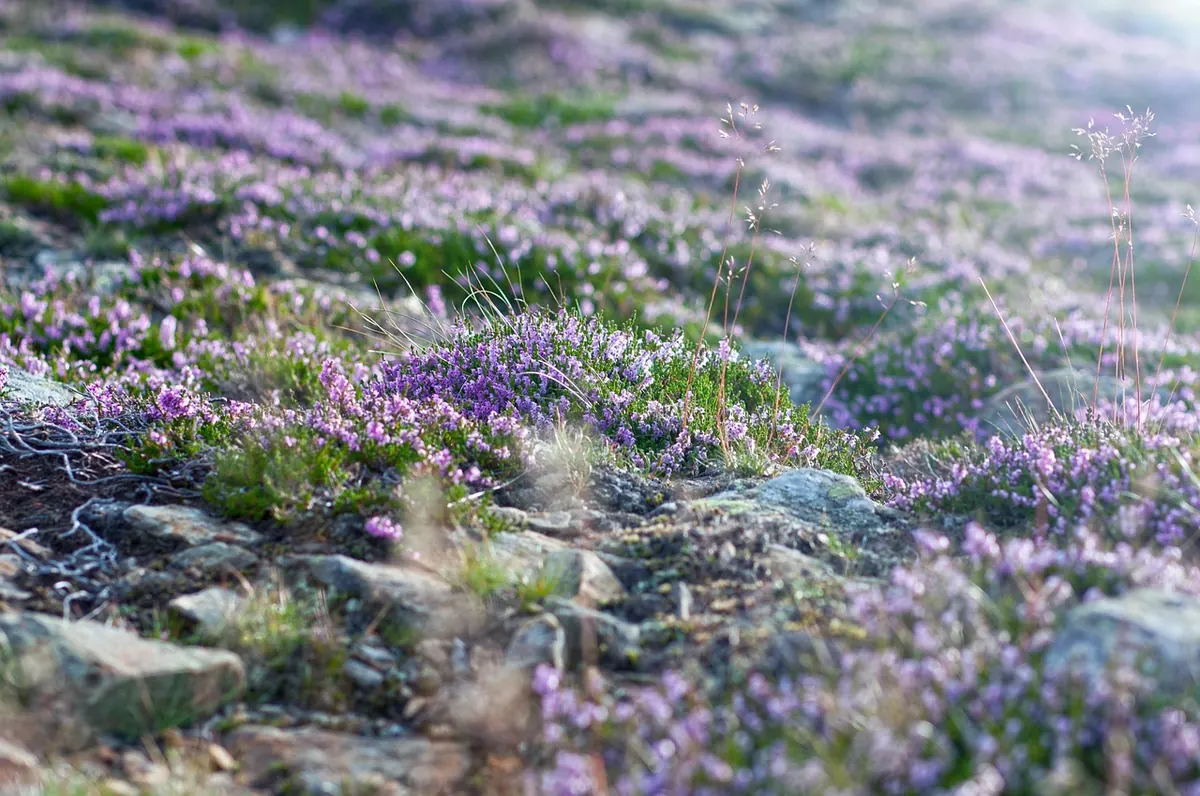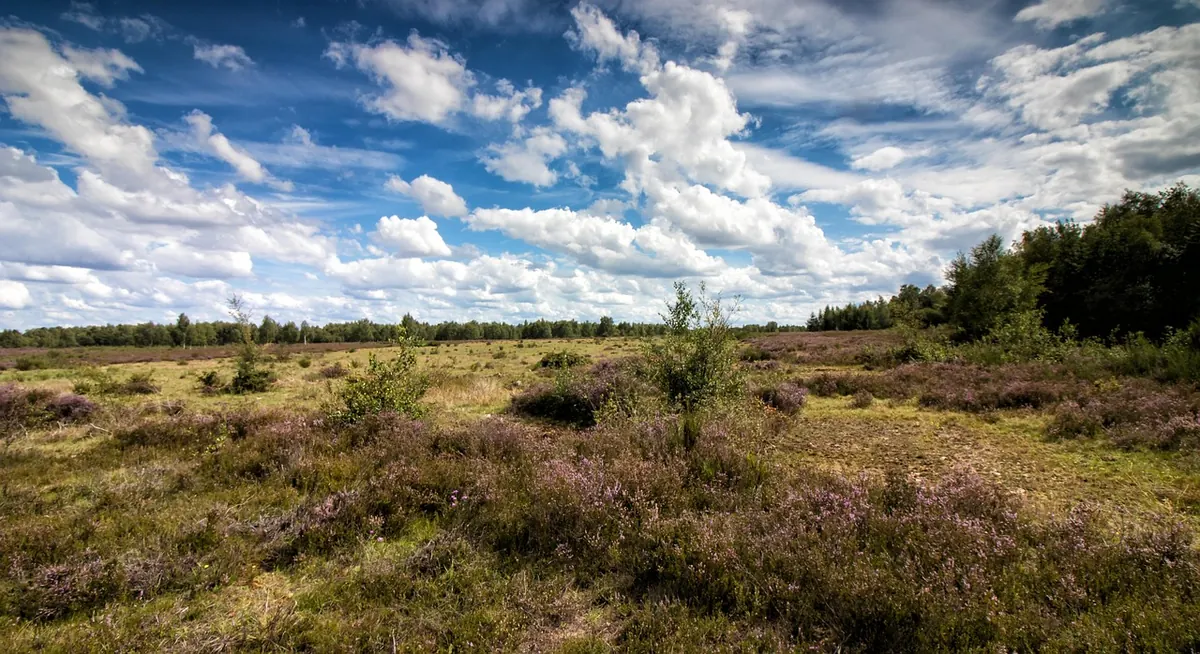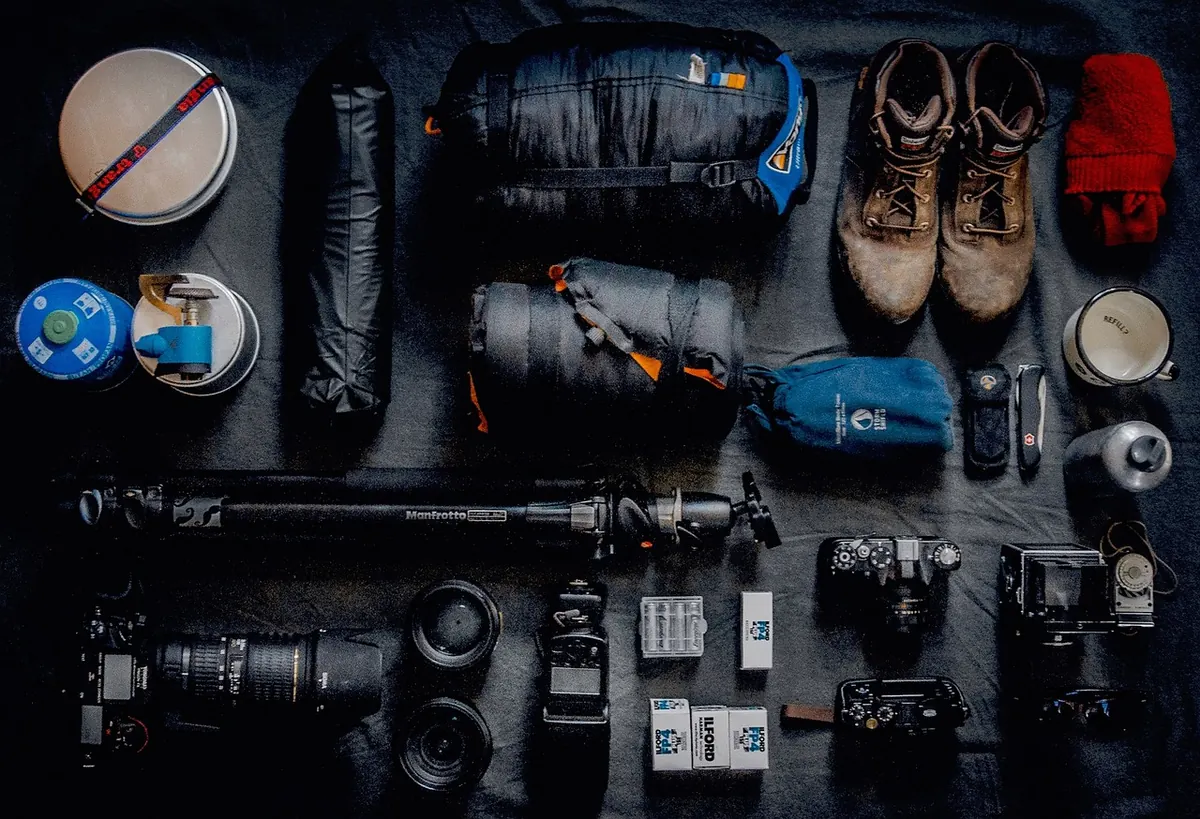
Heathland looks forgiving from the car park: low growing, open, easy to read. Walk a few hundred metres onto sandy tracks and you find the truth. The sun beats down with no shade, the wind cuts across, and the heather hides ticks, uneven ground, and boggy patches. A day out surveying or simply walking here is far better when your pack is sorted before you leave. Use this list as a tick-box starting point, then adjust for the season and your own route.
Footwear and legwear
Start at your feet. Heathland surfaces shift between loose sand, gravel, compacted earth, and wet peat. Ankle support matters more than you think. Choose boots or sturdy walking shoes that are broken in, and wear them with wool or synthetic socks that wick moisture. Cotton socks hold sweat and guarantee blisters. If you know the route crosses wet flushes or old peat cuttings, waterproofing helps, but breathable footwear with a spare pair of socks is often more practical than heavy rubber boots on a long walk.
Ticks wait in long grass and heather. Tuck your trousers into your socks or wear gaiters. Light-coloured trousers make ticks easier to spot. If the day is warm, still avoid shorts on anything but the most manicured paths. A small pair of gaiters takes almost no space and keeps seeds, heather twigs, and ticks out of your socks. They also stop grit from working into your boots on sandy inclines.
- Broken-in walking boots or shoes with good tread
- Spare socks (one pair, sealed in a bag)
- Gaiters or trousers with elasticated cuffs
- Lightweight, quick-drying trousers
- Blister plasters in your first-aid kit
Sun, wind, and tick protection
Exposed open ground means you take the weather full force. A cloudy day can still burn you, and wind can dehydrate you without you noticing. Pack a brimmed hat, sunglasses, and high-factor sunscreen. Reapply every couple of hours, especially on your neck, ears, and the backs of your hands. Lip balm with sun protection saves a lot of discomfort.
Layers work better than one heavy jacket. A light windproof shell and a thin fleece or insulated mid-layer let you adjust as the day warms or the clouds roll in. A waterproof jacket is worth carrying even when the forecast looks dry; heathland showers arrive fast. In cooler months, add a warm hat and thin gloves. In summer, a light long-sleeved shirt can be cooler than bare arms because it keeps the sun off while still allowing air to move.
Tick tactics
Treat your clothing with permethrin-based repellent if you are comfortable using it, and use a repellent on exposed skin. Wear long sleeves and long trousers. Check yourself every few hours, especially behind the knees, in the groin, under the arms, and along the hairline. A fine-tipped tick tool or small tweezers should live in your pack. If you find an attached tick, remove it carefully and clean the area. Keep an eye on the bite. If you later feel unwell or notice a rash, seek advice from a healthcare professional.
Water, food, and steady energy
There are rarely shops or taps on the heath. Carry more water than you think you need. On a warm day, one to two litres per person is a reasonable starting point for a few hours; add more for longer routes or hotter weather. A hydration bladder makes sipping easy, but a couple of sturdy bottles work fine. If you sweat heavily, an electrolyte tab or a salty snack helps replace what you lose.
Food should be easy to eat with one hand, stable in a warm pack, and divided into small portions. Surveying often means stopping and starting, crouching, counting, photographing, and writing notes, so you may not sit down for a proper lunch. Pack oatcakes, nuts, dried fruit, cereal bars, a sandwich, or a flask of soup in cooler months. Avoid anything that will melt into a sticky mess unless it is sealed. Bring an extra snack; hunger makes route decisions worse and tempers shorter.
- One to two litres of water per person, more in heat
- Electrolyte tablets or a salty snack
- Sandwich, oatcakes, nuts, dried fruit, or cereal bars
- Flask or insulated bottle for cold days
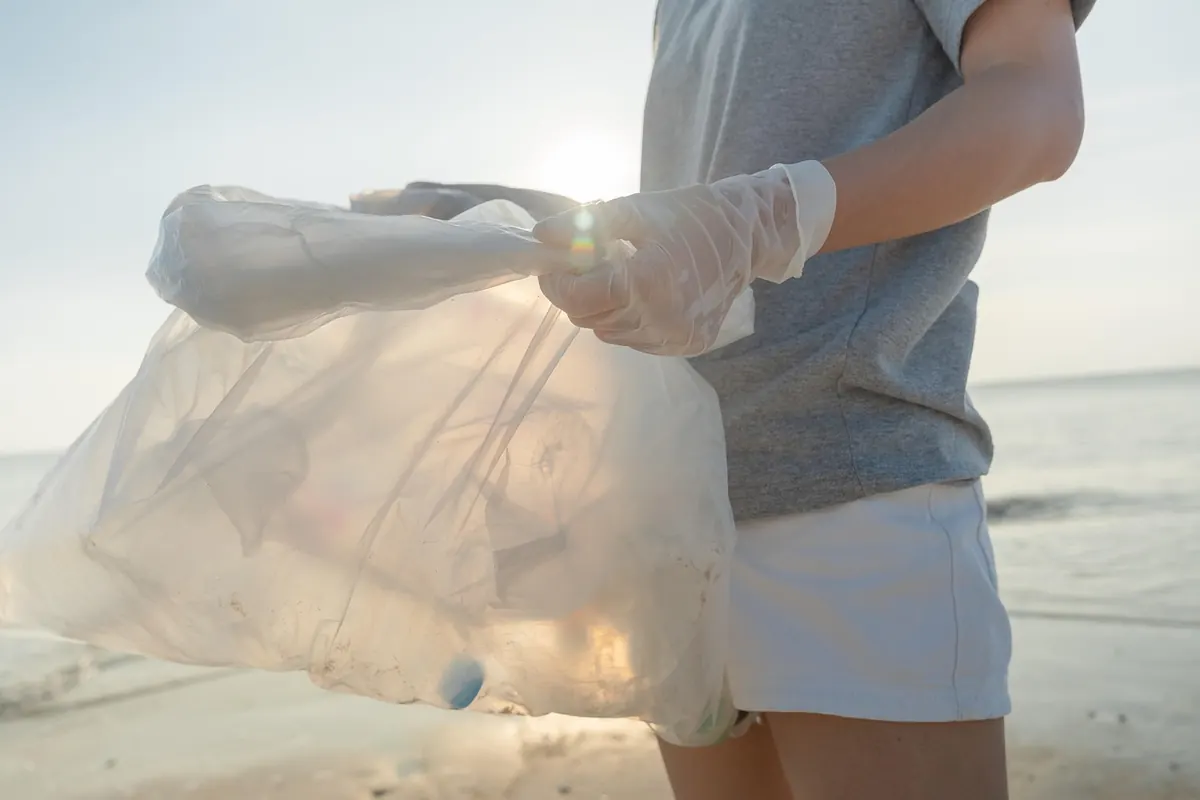
- Small rubbish bag for wrappers and fruit peel
Hydration habits
Drink before you feel thirsty. By the time thirst arrives, you are already playing catch-up. Take a few sips every twenty to thirty minutes rather than a large amount all at once. If you are surveying and concentrating, set a quiet reminder on your phone or watch. On windy days you may not feel sweaty, but you are still losing moisture with every breath.
Navigation, survey kit, and route awareness
Heathland paths can braid, fade, and reappear. What looks obvious from a high point may vanish in a dip filled with birch scrub. Carry a paper map and compass even if you use a phone app, and know how to read them together. Download offline maps before you leave, because signal can be patchy or absent. A simple route card, left with someone at home, should say where you are going, when you expect to return, and what to do if you are late.
If you are surveying, your kit list grows. Add a notebook and pencil, a hand lens, a GPS unit or phone with recording software, spare batteries, a power bank, and any permits or access letters. A lightweight sit mat is a small luxury when you are crouching to examine vegetation or writing notes on damp ground. Binoculars help with distant birds and boundary features. A small camera or phone clip keeps survey photos organised.
- Paper map, compass, and route card
- Offline maps and charged phone
- Notebook, pencil, and permanent marker
- GPS unit or recording app, plus spare batteries
- Hand lens, binoculars, and camera if needed
- Permits, access details, and landowner contacts
First aid and emergency essentials
A small first-aid kit should cover the likely problems: blisters, scratches, tick bites, and minor sprains. Include blister plasters, antiseptic wipes, sterile gauze, medical tape, tweezers or a tick tool, and any personal medication. Add a foil emergency blanket, a whistle, and a torch or headtorch. These take up little space and become invaluable if the weather turns or you are delayed. A charged phone and a power bank are useful, but do not rely on them as your only safety line.
Heathland can be hotter, colder, windier, and wetter than the nearby town. If you are walking with a group, agree on a meeting point and a turnaround time. If you are alone, be honest about your experience and leave detailed plans. In an emergency, call the appropriate emergency number for your country and be ready to describe your location using grid references, what3words, or a clear landmark.
Weather, layers, and seasonal adjustments
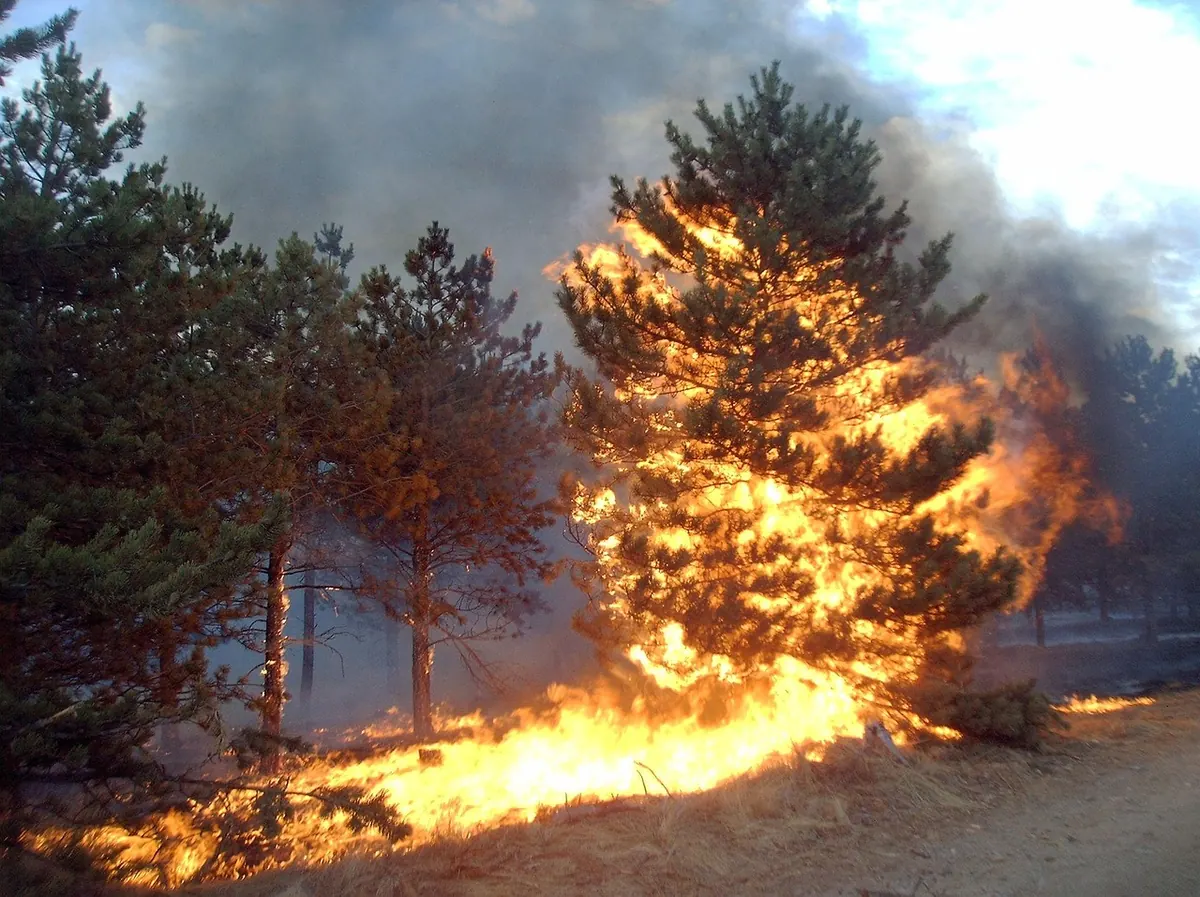
Spring brings skylarks, emerging lizards, and unpredictable showers. Pack a waterproof, a warm mid-layer, and sun protection in the same bag. Summer means early starts, high sunscreen, and extra water; heather and dry grass can be tinder-dry, so never use a stove or naked flame. Autumn is often the best walking season, with cooler air and vivid colour, but mornings can be misty and paths slippery. Winter heathland is beautiful and harsh: add insulated gloves, a hat, a thermos, and a headtorch for short afternoons.
The best heathland kit is the kit you actually remember to use. A tick tool at the bottom of a rucksack is no better than one left at home.
Comfort, wildlife, and leave no trace
Small comforts make a long day better. A sit mat, a light scarf, and a spare buff can help with wind, sun, and sudden chills. Midge repellent is worth carrying in still, damp conditions, especially near birch and bog. Keep your distance from livestock, adders, and ground-nesting birds. Stay on established paths where possible, close gates, and take all litter home, including apple cores and orange peel. Heathland soils are thin and slow to recover, so avoid cutting new routes through heather or moss.
Final check before you lock the car
- Boots on, socks dry, gaiters ready.
- Water filled and food packed where you can reach it.
- Sun cream, hat, and tick repellent applied.
- Map, compass, phone, and route card checked.
- First-aid kit, tick tool, torch, and whistle packed.
- Waterproof and warm layer in the bag, not in the car.
- Survey kit, notebook, and permits accounted for.
- Someone knows where you are going and when you are due back.
Run through that list once at the car, then trust it. The point is not to carry everything you own, but to carry what lets you stay warm, hydrated, safe, and focused on the heath. With the right kit, a day surveying or walking heathland becomes what it should be: open, absorbing, and quietly spectacular.
Photo: StockSnap / Pixabay