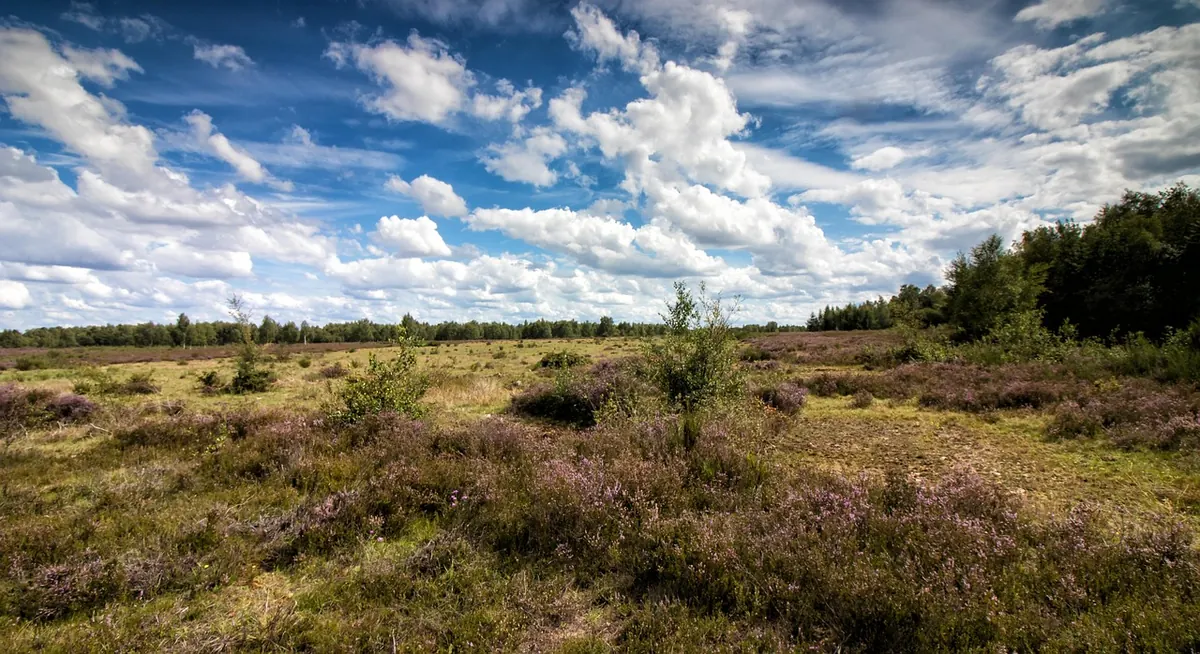
Heathland in late March has a particular quality of light: low, bright and unforgiving of anything that moves. That is exactly why adders are out, and why they are so easy to miss until you are almost on top of one. Britain's only venomous snake is also one of its most misunderstood animals — a sun-loving, intensely shy creature that spends far more of the year hidden than visible. Watching one properly takes patience, binoculars and a clear set of rules.
Getting to know the adder
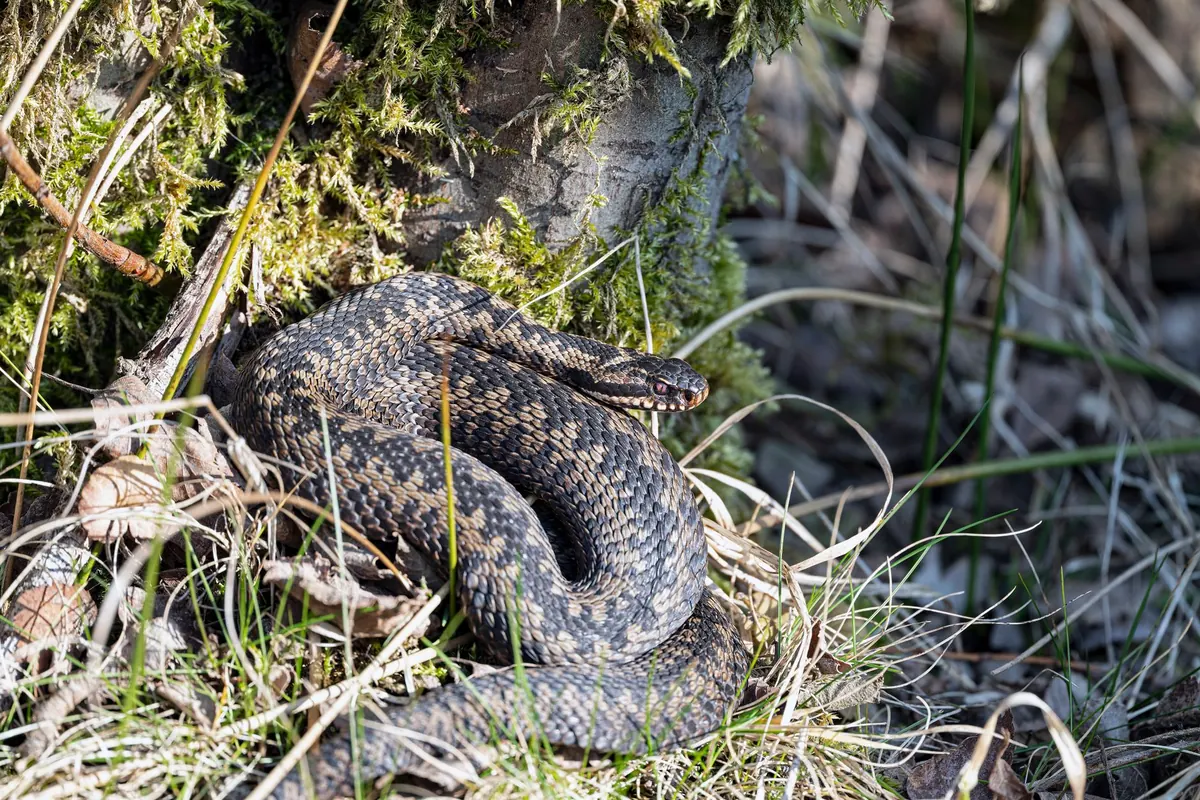
The common adder (Vipera berus) is a small, stocky snake, typically somewhere between 50cm and 70cm long. Look for a bold dark zigzag running the length of its back, a darker V or X mark on the head, and a red or copper eye with a vertical pupil. Colours vary: males are usually silvery grey with black markings, females browner with a dark brown zigzag, and now and then you will meet an entirely black individual.
Adders are widespread across Britain but absent from Ireland, and they have slipped away from many of their old haunts as heathland has been lost or broken into fragments. They feed mainly on small mammals and lizards, give birth to live young in late summer, and spend the winter deep in hibernation. The animals you see in spring are often the same individuals returning to the same few metres of ground, year after year.
Where to look on heathland
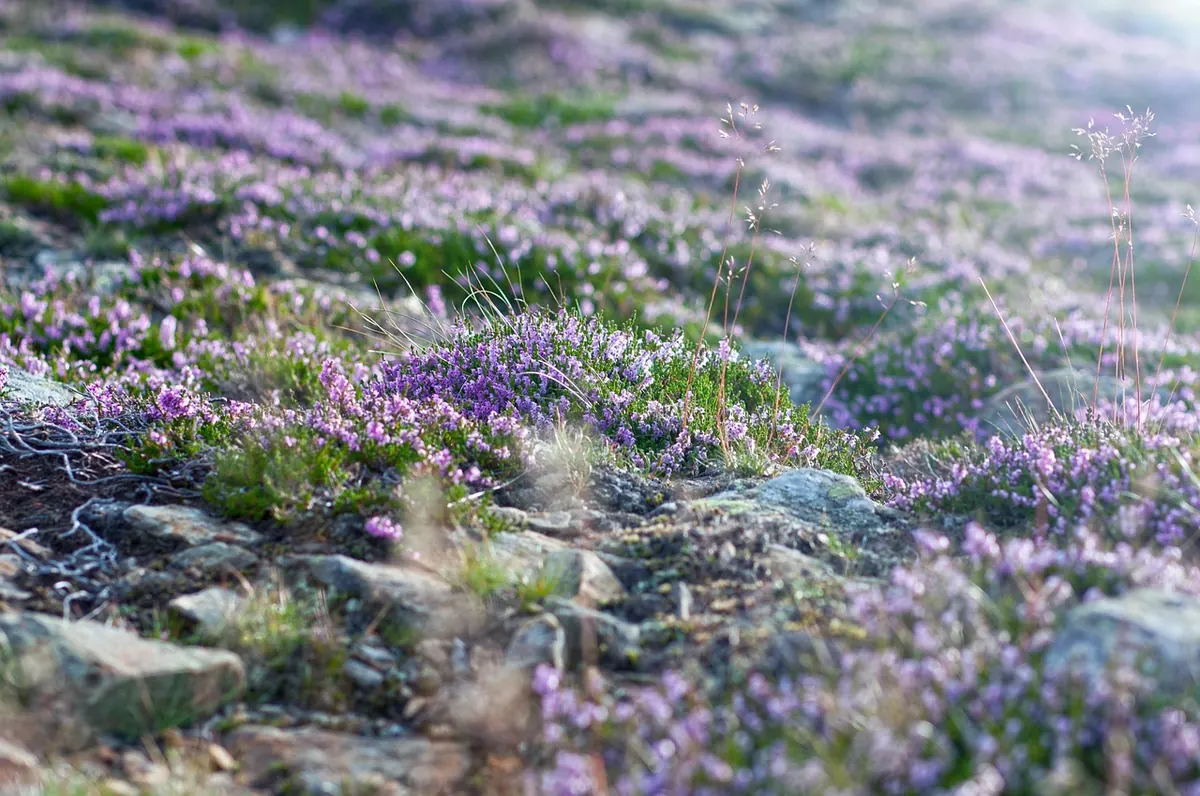
Adders want two things close together: warmth and cover. That usually means a south-facing slope with patchy vegetation, bare sand or short moss to lie on, and heather, bracken or bramble within easy reach. Good places to scan include sunny banks beside gorse, the edges of tracks and firebreaks, old fence lines, the dry fringes of a boardwalk, and the transition where heather gives way to grass.
Uniform, tall, dark stands of mature bracken are usually a waste of time — too cool and too shaded. Coastal dunes, moorland edges and sunny woodland rides can all hold adders, but heathland is the classic habitat. Many heaths are nature reserves with fragile ground, and staying on the path is not just polite: it keeps you safe and stops you flattening the very microhabitats the snakes depend on.
When adders are on show
Season matters more than the hour. Males emerge first in late winter and early spring and bask for long stretches. By April and May, mating season, activity peaks and you have your best chance of seeing several animals on a single walk. Late summer brings newborn young — small, dark and easily mistaken for slow-worms. From October they slip away again, and you will not see another until the first mild days of the new year.
The shape of a good day
- Cold night, bright morning: adders bask in the open, often flattened and sluggish, from mid-morning until the ground warms properly.
- Still, hazy spring days: the best of all. Animals sit out longer and often stay put while you watch from a distance.
- Hot midsummer afternoons: they retreat into shade, so look early or in the last hour or two of light instead.
- Grey, wet or windy weather: forget it. Adders stay tucked away and you will see nothing but grass.
Fieldcraft: watching without disturbing
An adder's first instinct is to hide. Its second, if it feels threatened at close range, is to hiss and strike. Nearly every bite happens because a snake was stepped on, sat on or picked up — not because it came looking for a fight. A few simple habits keep the encounter safe for both of you.
- Stay on the path and scan ahead with binoculars. Eight or ten metres is a comfortable viewing distance; a phone camera at arm's length is not.
- Watch your feet as well as the horizon, especially on sandy tracks and short turf where an adder looks like a bent piece of wire or a shadow.
- Keep dogs on a short lead in known adder country. Curious noses get bitten far more often than human legs do.
- Never handle, move or "rescue" a snake, however calm it looks. Adders are not tame and are not in distress simply because you can see them.
- If one hisses or lifts its head, stop, then step back the way you came. That is a warning, not an attack.
- Be careful what you share online. Precise locations of reptiles can attract people who collect them.
In the unlikely event of a bite
Adder bites are rare and most are not serious, but every one is a medical emergency. Symptoms such as swelling, nausea, dizziness or vomiting can develop within minutes or over a couple of hours, and children and dogs may be affected faster. Stay calm, act quickly, and let the professionals do the rest.
- Move everyone well away from the snake and keep the bitten person as still as possible, lying down.
- Call 999 (or 112) and say clearly that it is an adder bite, so the right hospital is alerted.
- Keep the bitten limb still and at or slightly below heart level. A splint made from a stick and a scarf helps.
- Remove rings, watches and tight clothing before swelling starts.
- Do not cut, suck, apply ice, use a tourniquet or give alcohol. These do more harm than good.
- Note the time of the bite. If the snake is visible from a safe distance, mention its appearance, but never try to catch or kill it.
For a dog, contact a vet immediately and carry the animal rather than letting it walk. This is general guidance only — always follow the instructions of emergency services and medical or veterinary professionals.
A short plan for your first adder walk
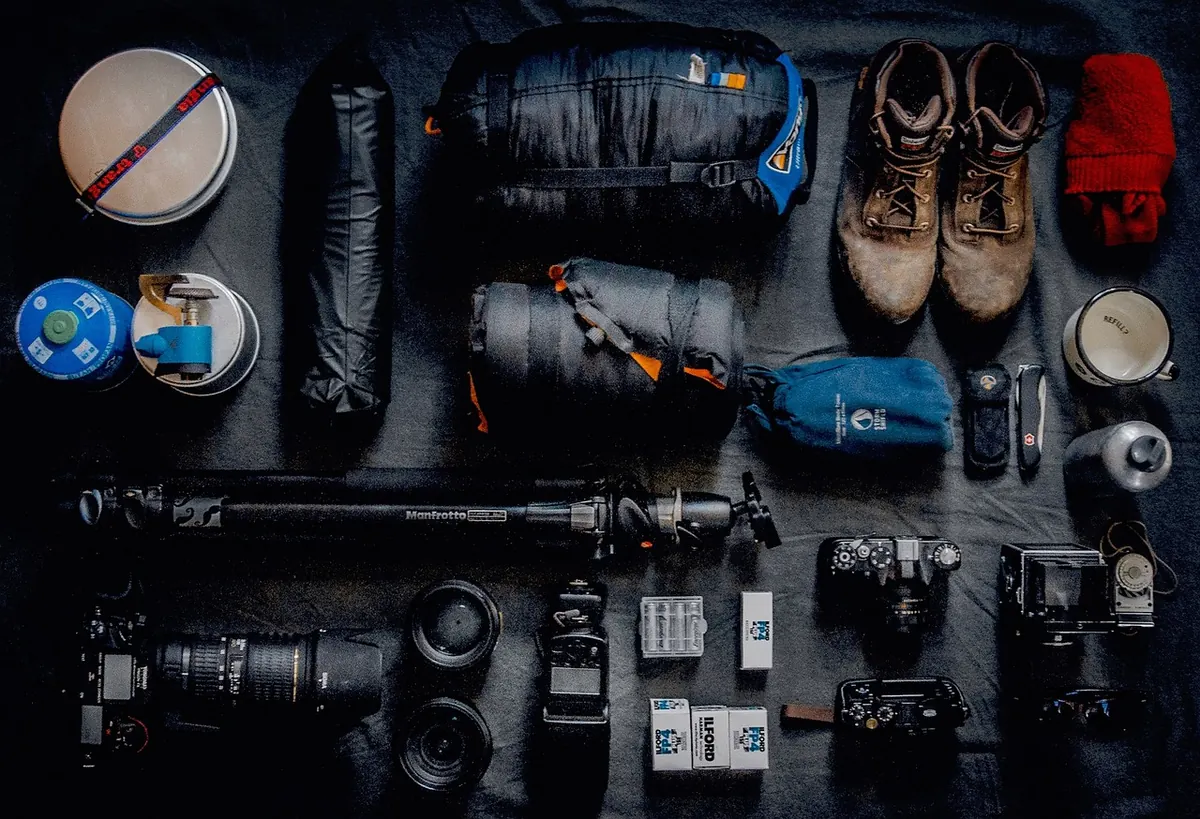
Pick a bright, still morning between March and May, and choose a heath with open, south-facing ground and well-used paths. Arrive early, walk slowly, and let your eyes adjust to searching for shapes rather than movement. Take binoculars, keep your dog close, and give every basking snake more room than you think it needs.
You may well see nothing on your first few visits. That is normal, and it is part of the appeal: adders are not exhibits. When you finally find one, coiled on warm sand with its zigzag catching the light, the reward is a genuine piece of wild Britain — and the best thing you can do is stand still, watch, and leave it exactly where it is.
Photo: Georg Wietschorke / Pexels