Five Common Mistakes New Conservation Volunteers Make on Heathland Workdays
Heathland workdays look simple from the outside: a dozen people, a trailer of hand tools, and a few hours spent cutting back the birch and gorse that have crept over the heather.
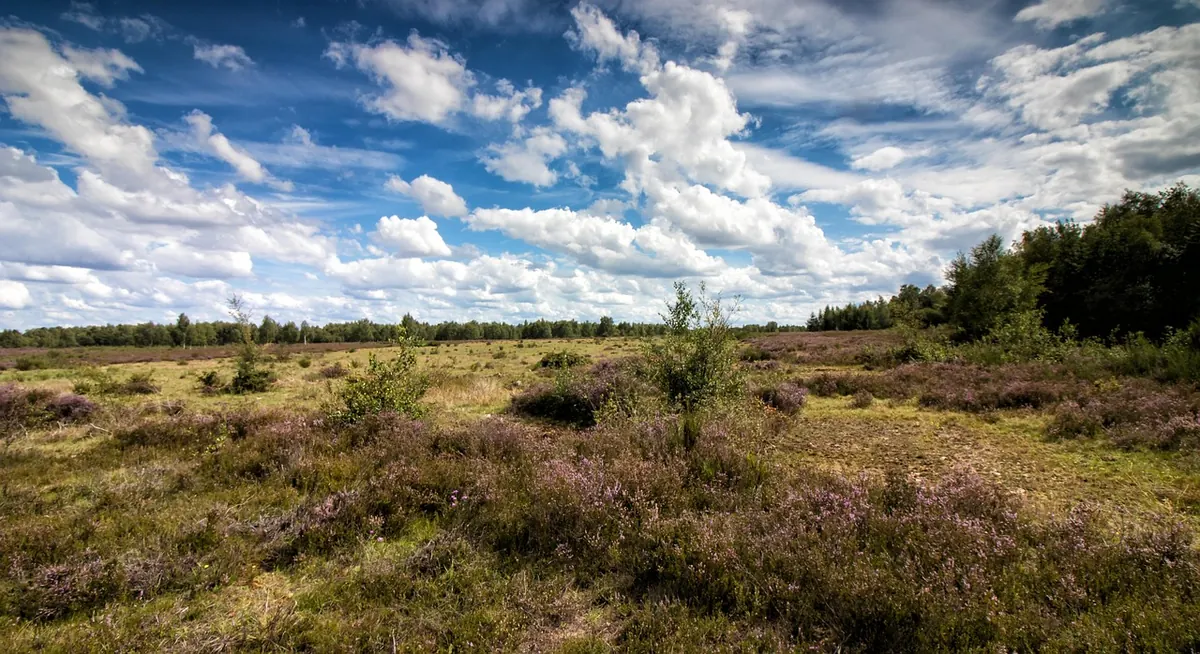
From the inside, they are a careful balance of ecology, safety, stamina, and local knowledge. Heathland is not just a rough patch of scrub waiting to be cleared. It is a rare and often fragmented habitat, home to reptiles, ground-nesting birds, rare invertebrates, lichens, and specially adapted plants. The work is physical, but the thinking matters just as much. New volunteers usually arrive with good intentions, strong boots, and a willingness to help. What they sometimes lack is the context that turns a few hours of hard work into genuinely useful conservation.
The five mistakes below are not moral failings. They are simply the things that experienced volunteers and site managers see again and again, especially in spring and summer when enthusiasm is high and the heath is full of life. Avoiding them will make you safer, more useful, and much more likely to be invited back.
1. Arriving Without Knowing Why the Work Matters
The first mistake is treating the day as a general tidy-up. New volunteers often assume that every birch sapling and every patch of gorse is an enemy. In reality, heathland management is about maintaining a mosaic: open heather, bare ground, scattered scrub, wet flushes, and edges of woodland. Each of these supports different species. Cut too much scrub and you may harm the very wildlife the site is managed for.
For example, a large gorse bush may look invasive, but it can provide nesting cover for stonechats and shelter for reptiles. A stand of birch may be shading out heather, but a few older trees might be valuable for deadwood invertebrates. The site manager’s briefing is not a formality. It explains which areas are being cleared, which are being left, and why. If you do not understand the plan, ask before you cut. A useful rule is: know the target before you pick up a tool.
2. Underestimating the Weather and the Ground
Heathland can feel exposed even on a calm day. Weather may change quickly, and the ground is rarely uniform. One moment you are walking on firm sandy soil; the next you are sinking into a boggy flush or tripping over hidden tussocks. New volunteers often wear trainers, cotton clothing, and a light jacket, then spend the afternoon wet, cold, and miserable.
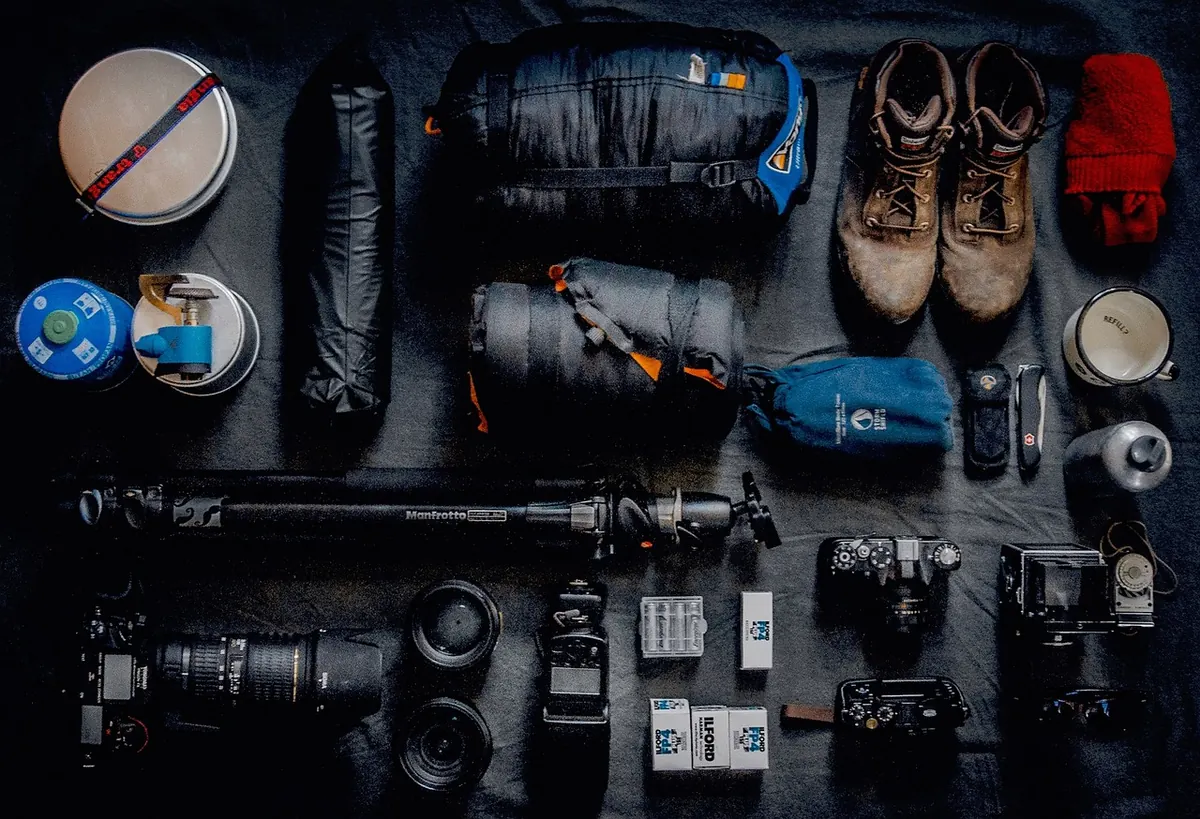
Good preparation is not overpacking. It is packing for the site rather than the car park. Waterproof boots with good grip are essential. Layers let you adjust as you heat up and cool down. Long trousers help protect against ticks, scratches, and sun. A hat, sunscreen, and a waterproof jacket should be in your bag even if the forecast looks fine. Bring more water than you think you need, and a snack or lunch that is easy to eat with dirty hands.
Ticks deserve special mention. Heathland is often tick habitat, and a bite can transmit Lyme disease and other infections. Check yourself carefully after the workday, especially behind the knees, in the waistband, and along the hairline. If you find an attached tick, remove it properly with fine-tipped tweezers or a tick tool, and seek medical advice if you develop symptoms.
3. Treating Tools as Props Instead of Skills
Hand tools are simple, but they are not toys. Bow saws, loppers, billhooks, and pruning saws can cause serious injuries when used carelessly. The classic beginner mistake is trying to force a tool through a branch that is too thick for it. Another is carrying a sharp tool carelessly through a crowded work area. A third is swinging a billhook with the energy of a woodchopper and the accuracy of a beginner.
Experienced volunteers let the tool do the work. They keep blades sharp, use the right tool for the job, and maintain a safe distance from others. They cut away from their body, never towards it. They carry tools with the blade covered or pointed down and away. They also know when to stop and sharpen, because a blunt tool is more dangerous than a sharp one. If you are unsure how to use a tool, ask for a demonstration. There is no prize for guessing.
- Use the right tool: loppers for smaller stems, a bow saw for thicker branches, a billhook only when you have been shown how.
- Keep a safe zone: make sure no one is within swinging or falling distance.
- Carry carefully: blades covered or pointed down, never over your shoulder in a crowd.
- Stop when tired: fatigue turns a familiar tool into a dangerous one.
4. Cutting First, Asking Later
This is the most important mistake on the list. New volunteers often see a patch of scrub and start cutting before they have checked whether it is inside a no-go zone. Heathland sites may contain archaeological features, rare plants, sensitive wet areas, or nesting birds. A patch of gorse that looks ordinary from the path might be protecting a nightjar nest, a colony of rare insects, or a fragile lichen community.
Season matters too. Many birds nest between March and August. Reptiles may be basking in the early morning. Solitary bees and wasps may be nesting in bare ground. A responsible workday will include a briefing on boundaries, protected areas, and wildlife checks. If markers, flags, or tape are used, respect them. If you are not sure whether something should be cut, leave it and ask.
If you are unsure whether a plant, stump, or patch of ground should be cut, leave it and ask. A missed cut can be corrected next season; a damaged nest or rare plant cannot.
5. Forgetting to Pace Yourself and Work as a Team
Conservation workdays attract energetic people, and that is a good thing. But new volunteers often make the mistake of sprinting through the first hour, then fading badly by lunch. Heathland work is repetitive and physical. Cutting, dragging brash, and carrying tools all use different muscles. If you burn out early, you become less useful and more likely to trip, drop something, or make a poor decision.
Pacing is a skill. Work steadily, take breaks, drink water, and rotate tasks. If you have been cutting for a while, switch to carrying or stacking. If you have been dragging heavy branches, spend some time on lighter lopping. Teams work best when people communicate. Tell others if you are moving behind them with a sharp tool or a load of brash. Watch out for anyone who looks exhausted, overheated, or unsure. A good workday is not measured by how sore everyone is the next morning. It is measured by what was achieved safely and carefully.
What Good Volunteers Do Instead
Good volunteers arrive early, listen to the briefing, and ask questions without embarrassment. They bring the right clothing, respect the site’s boundaries, and follow instructions about tools and safety. They also understand that conservation is not just about cutting. It is about observing, recording, and leaving the site in better condition than they found it.
- They ask why: understanding the management goal makes every cut more purposeful.
- They work with a buddy: especially when using sharp tools or carrying heavy material.
- They protect wildlife: checking for nests, reptiles, and rare plants before cutting.
- They follow biosecurity: cleaning boots and tools between sites to avoid spreading seeds, spores, or disease.
- They leave no trace: taking all litter home and returning tools clean and accounted for.
A Simple Pre-Workday Checklist
Before you leave the house, run through a short checklist. It takes five minutes and can transform your day.
- Boots with good grip, preferably waterproof.
- Layers, waterproof jacket, hat, and sunscreen.
- Work gloves and eye protection if required.
- Plenty of water and a substantial lunch or snacks.
- Any personal medication, plus a basic first-aid item if you carry one.
- Tick remover or fine-tipped tweezers.
- Charged phone and the site manager’s contact details.
- Spare socks and a dry layer for the journey home.
- A willingness to ask questions and follow the briefing.
Heathland workdays are rewarding precisely because they are not just a walk in the countryside. They are a chance to care for a rare habitat, learn practical skills, and spend time with people who value the same places. Avoid these five common mistakes, and you will be safer, more effective, and far more useful from your very first day.